We are the LSU College of Science

Welcome to a community where you are encouraged to explore, a place where answering important questions and finding solutions to our most pressing challenges is just what we do. From the microscopic to the intergalactic, our students and faculty are working together to build a healthier, safer, and more inclusive future.

Find Yourself Here

Discover your academic home in the LSU College of Science by exploring our departments:

34

Faculty named
AAAS Fellows

44

Patents secured over the past five years 

$199M+

Federal funding over the past five years 

ribbon cutting ceremony


LSU Opens Our Lady of the Lake Health Interdisciplinary Science Building

The new Our Lady of the Lake Health Interdisciplinary Science Building is a dynamic hub for collaboration, innovation, and discovery at LSU. Designed to bring together faculty and students across scientific disciplines, the state-of-the-art facility supports nearly $37 million in annual research awards while advancing hands-on learning, cutting-edge research, and healthcare innovation in Louisiana and beyond.

Learn More
Featured Research

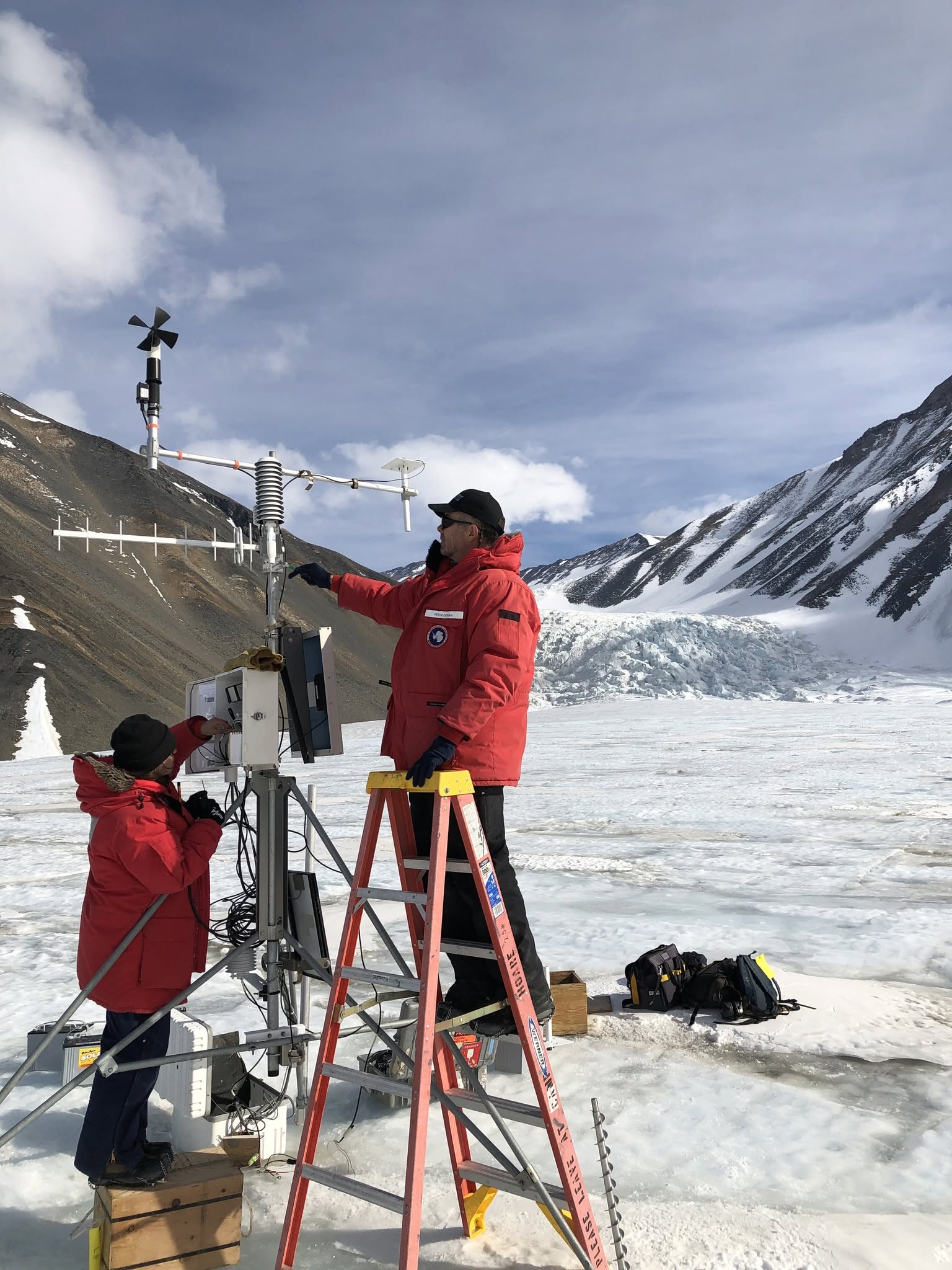
LSU geologist Peter Doran joins an international team of scientists proposing updated planetary protection policies for future human missions to Mars, aiming to enable exploration while preserving scientists' ability to discover extraterrestrial life.

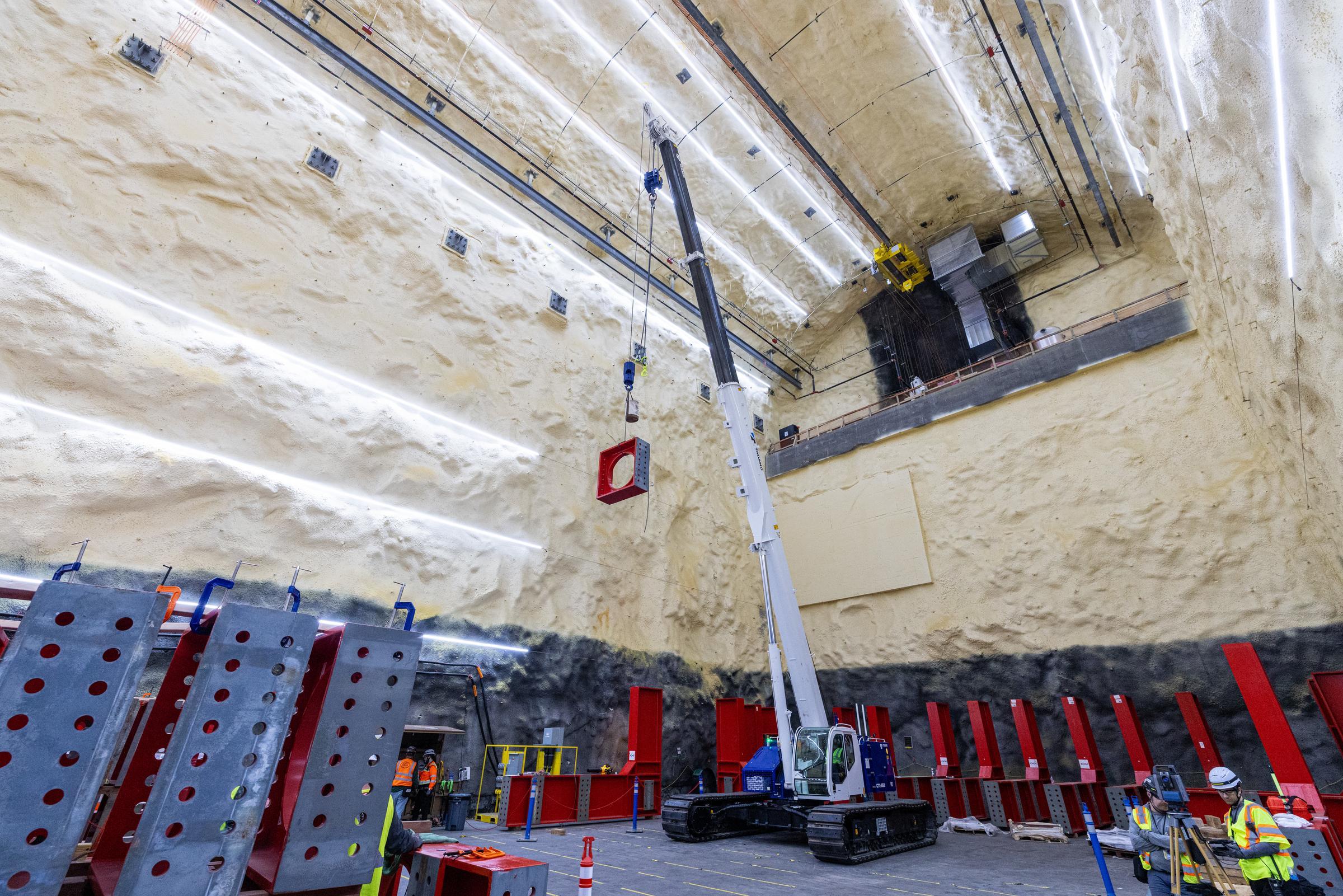
LSU physicists are helping build the Deep Underground Neutrino Experiment (DUNE), a major international experiment designed to investigate the fundamental properties of neutrinos and why the universe contains more matter than antimatter. LSU Professor Thomas Kutter, who helped lead early ProtoDUNE efforts at CERN, and other LSU researchers are developing and testing detector components, electronics, and software for the experiment. With construction of massive underground detector structures underway in South Dakota, DUNE is moving closer to exploring some of physics' biggest unanswered questions.

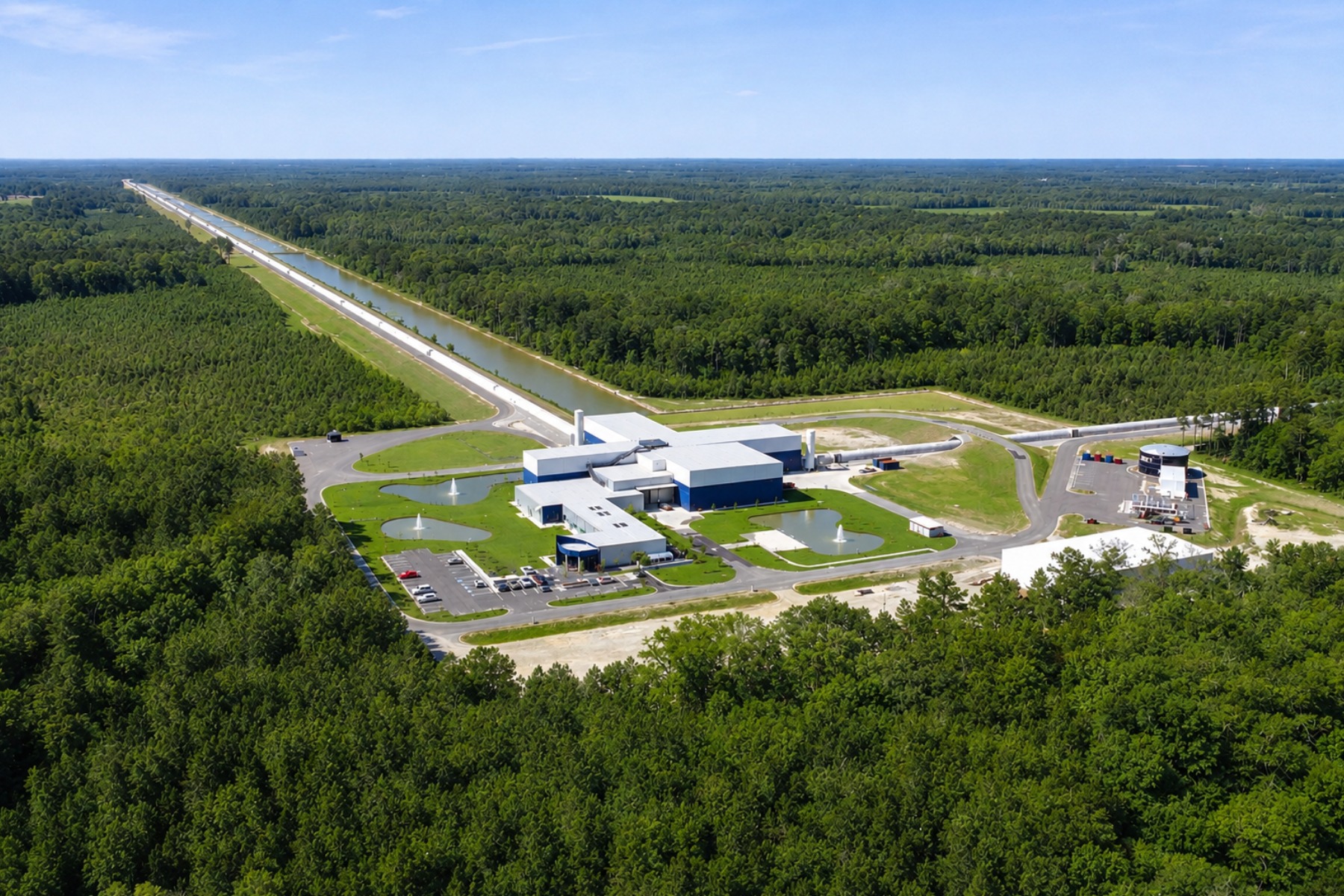
Led by LSU Boyd Professor Gabriela González, a new $4 million, two-year National Science Foundation grant will support the computing infrastructure behind the Laser Interferometer Gravitational-Wave Observatory (LIGO). The collaborative project will improve data analysis, accelerate alerts to astronomers, and maintain the reliable computing systems essential to detecting gravitational waves from colliding black holes, neutron stars, and other cosmic events.