
Biological Sciences
WELCOME TO A COMMUNITY WHERE...
you are encouraged to explore, a place where answering important questions and finding solutions to our most pressing challenges is just what we do. Our students and faculty are working together to build a healthier, safer, and more inclusive future.
The LSU Department of Biological Sciences is committed to developing and maintaining world-class research programs, and educating the next generation of international leaders in our field.
80+
Faculty & Instructors
- LSU College of Science
1000+
Students seeking a Biological Sciences degree
- LSU College of Science
130+
Graduate Students & Postdocs
- Biological Sciences Grad Office

Centers
Explore the Centers on campus that are part of the Department of Biological Sciences:

In the News
Featured Research
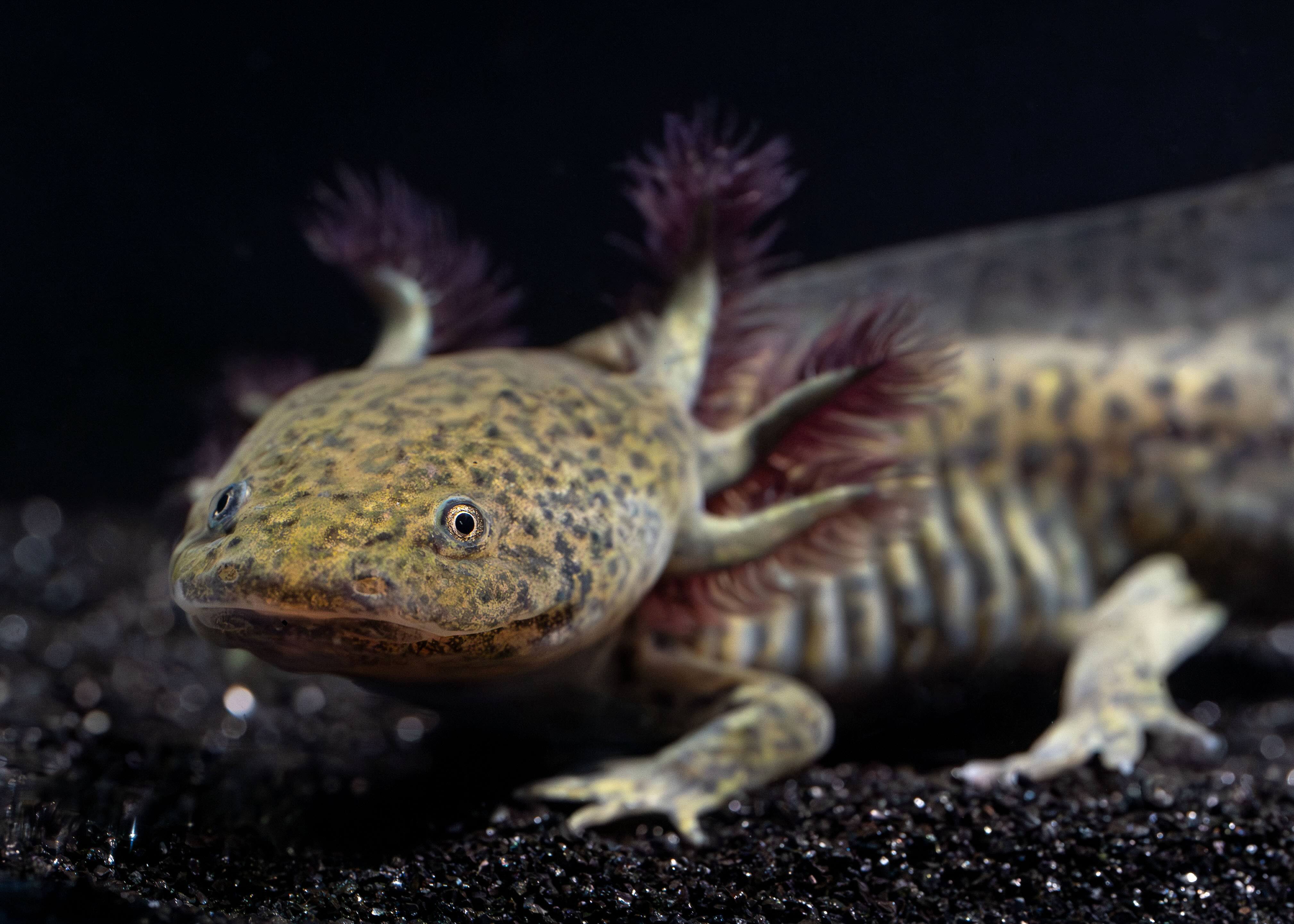
LSU biologist Igor Schneider is investigating the molecular signals that tell cells to regenerate rather than simply heal after injury. Supported by a $1.875 million NIH MIRA (R35), his lab will compare regeneration across axolotls, African lungfish, Senegal bichir, and lizards to identify signaling pathways shared across regenerative species. Using spatial transcriptomics, single-nucleus RNA sequencing, and CRISPR, the team aims to uncover a conserved “pro-regenerative signaling toolkit.”
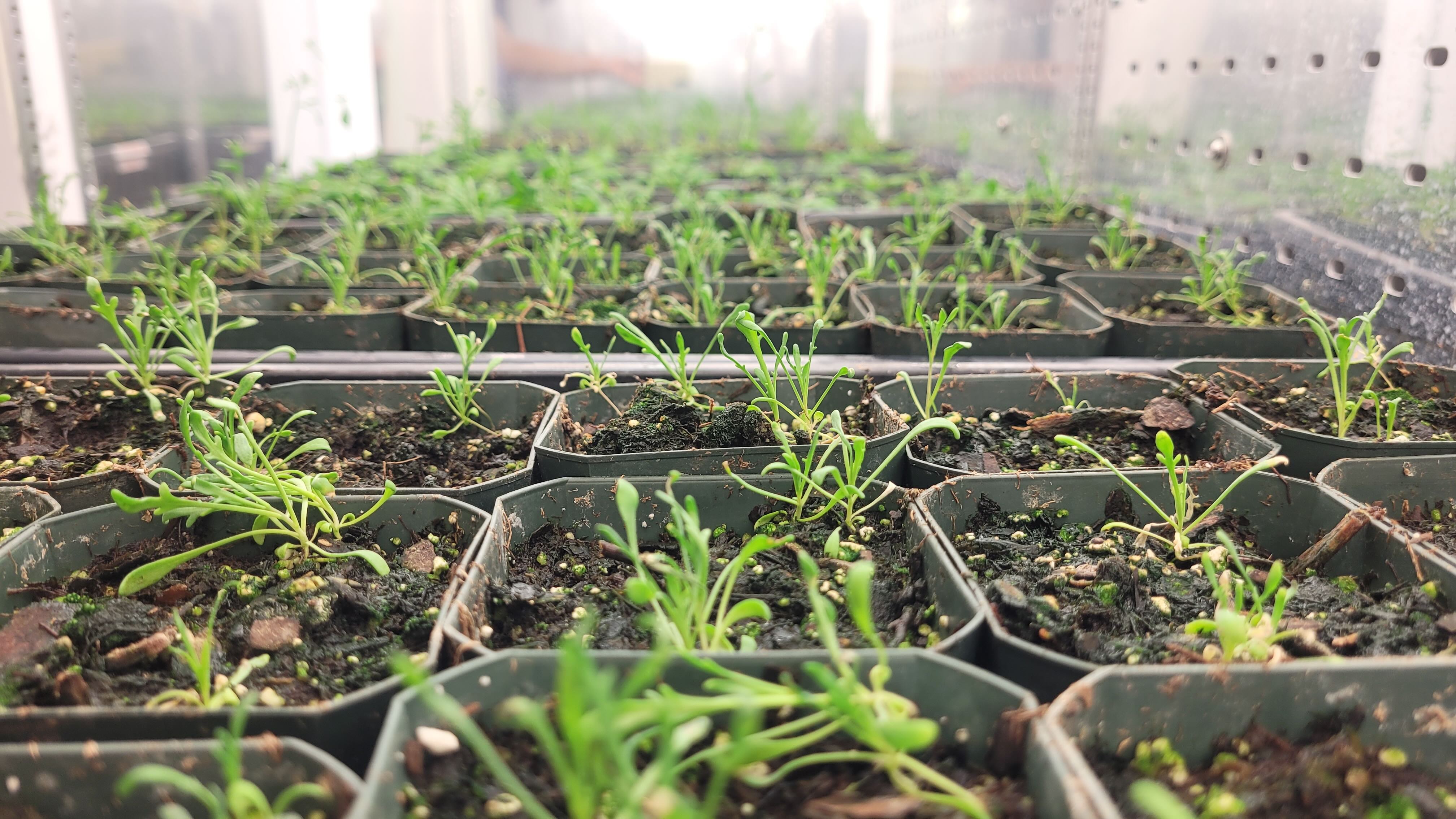
LSU researchers have created a cross-species single-cell atlas of plant roots, offering a new look at how plants respond and adapt to salt stress. By analyzing more than 200,000 individual root cells across five species, the team found that different cell types play distinct roles in stress response and that salt-tolerant plants have evolved multiple strategies for surviving saline environments. Published in Nature Communications, the study provides new insights into plant resilience that could help guide future efforts to develop crops better suited for increasingly stressful growing conditions.
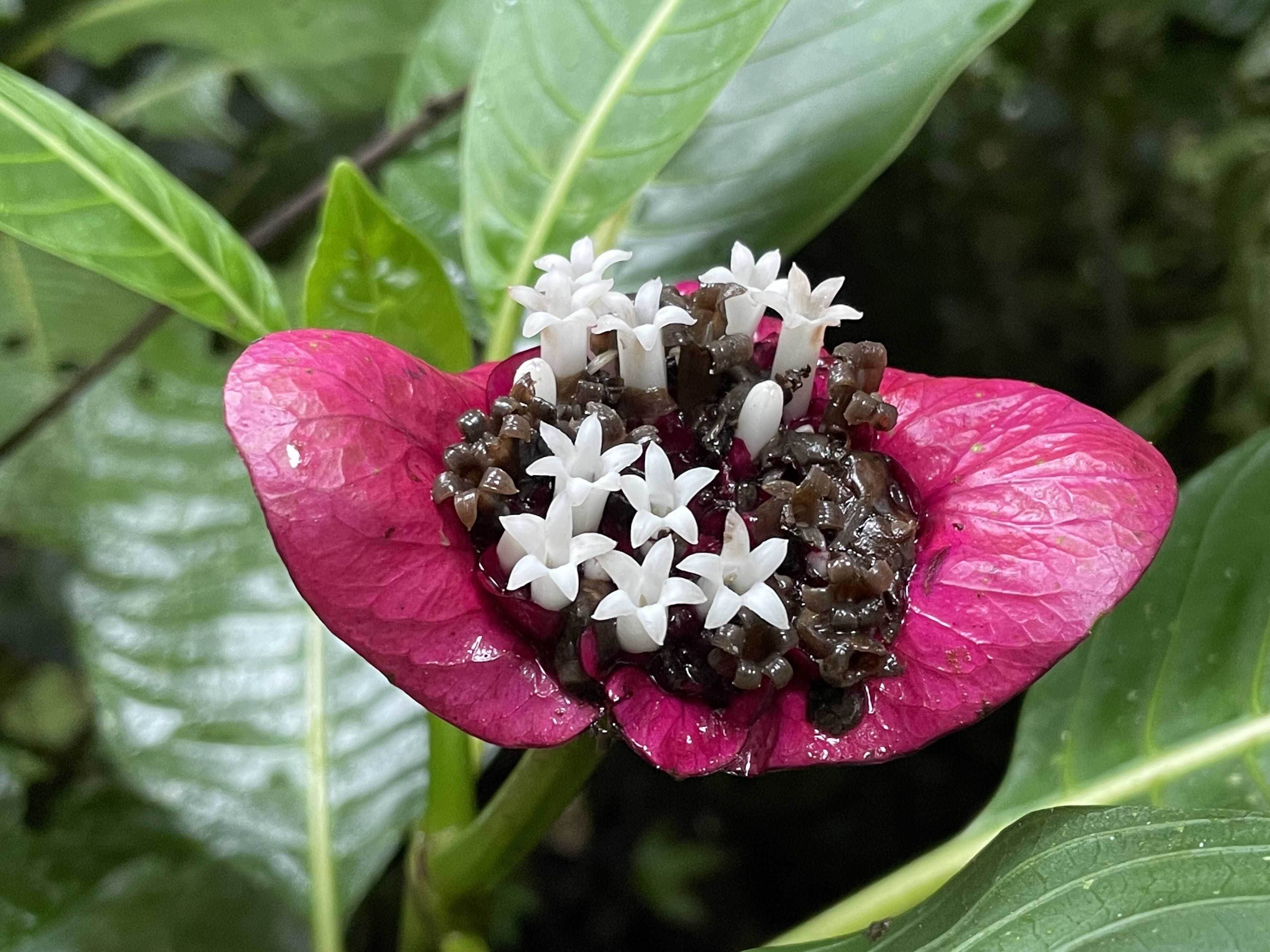
LSU researcher Laura Lagomarsino will study how tropical flowers evolve with support from a Fulbright U.S. Scholar award. Focusing on wild coffee plants in Colombia, her research explores how shifts in pollinators and environmental conditions drive repeated transitions from small, white flowers to bright, showy blooms across multiple species.