
Physics & Astronomy
Media Center
IN THE NEWS
Featured Research
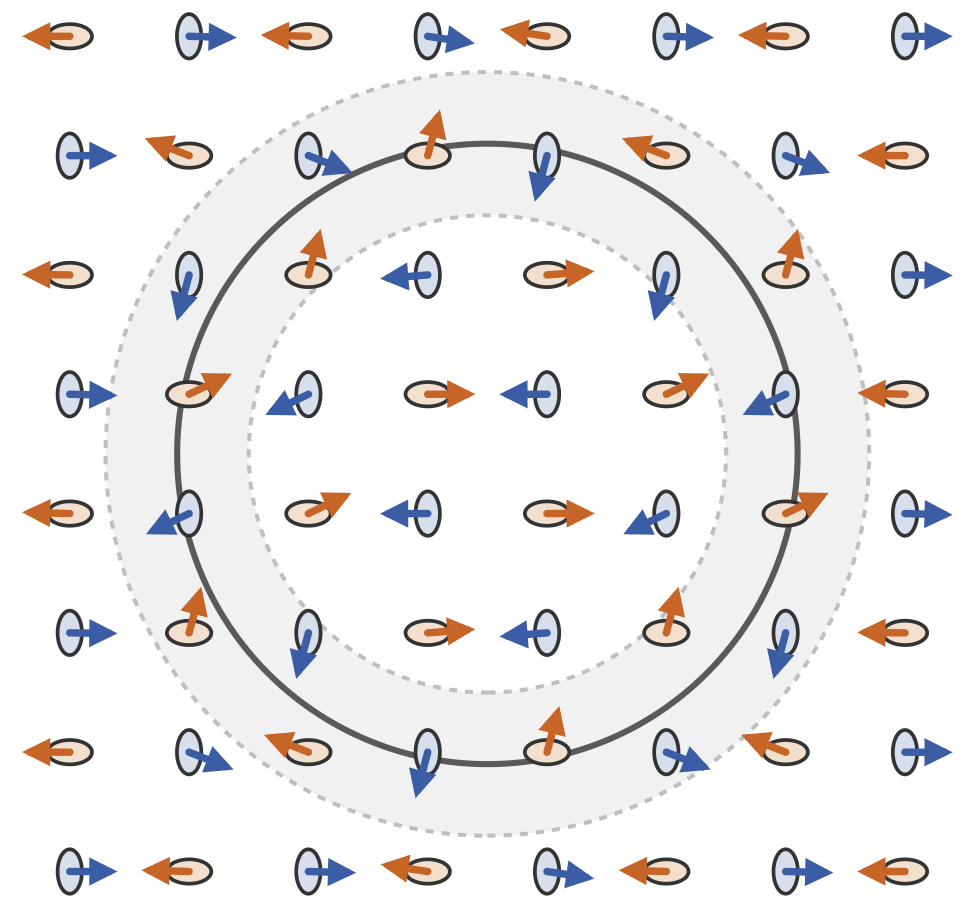
LSU physicist Constantin Schrade and collaborator Mathias S. Scheurer have developed a new theory for controlling how electrons move through altermagnets, an emerging class of magnetic materials. Their work shows that changing the material’s microscopic magnetic patterns could steer electrons in different directions depending on their spin. The findings give scientists new predictions to test and could eventually help researchers control how spin-based information moves through future electronic technologies.
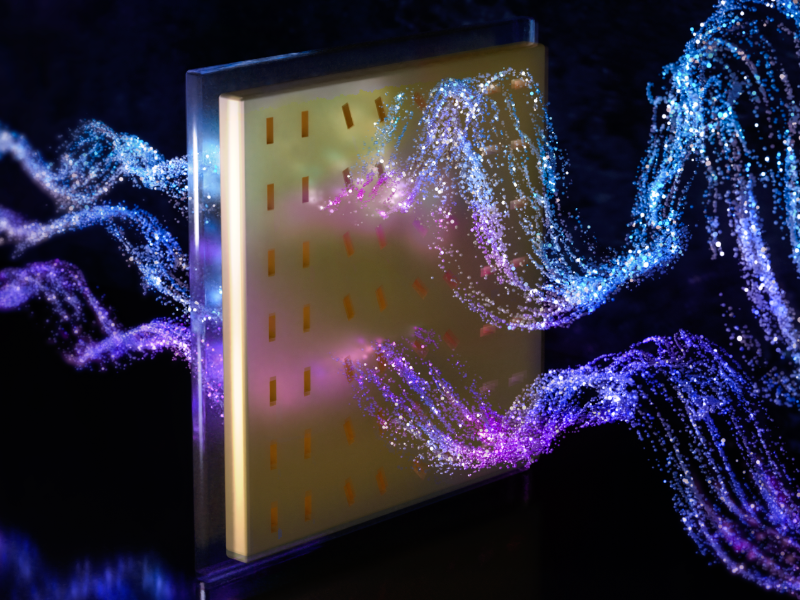
LSU physicists have developed the first room-temperature quantum material capable of distinguishing and transporting different quantum states of light. Published in Nature, the breakthrough establishes a blueprint for engineering future quantum materials that could advance quantum computing, secure communications, sensing technologies, and renewable energy.
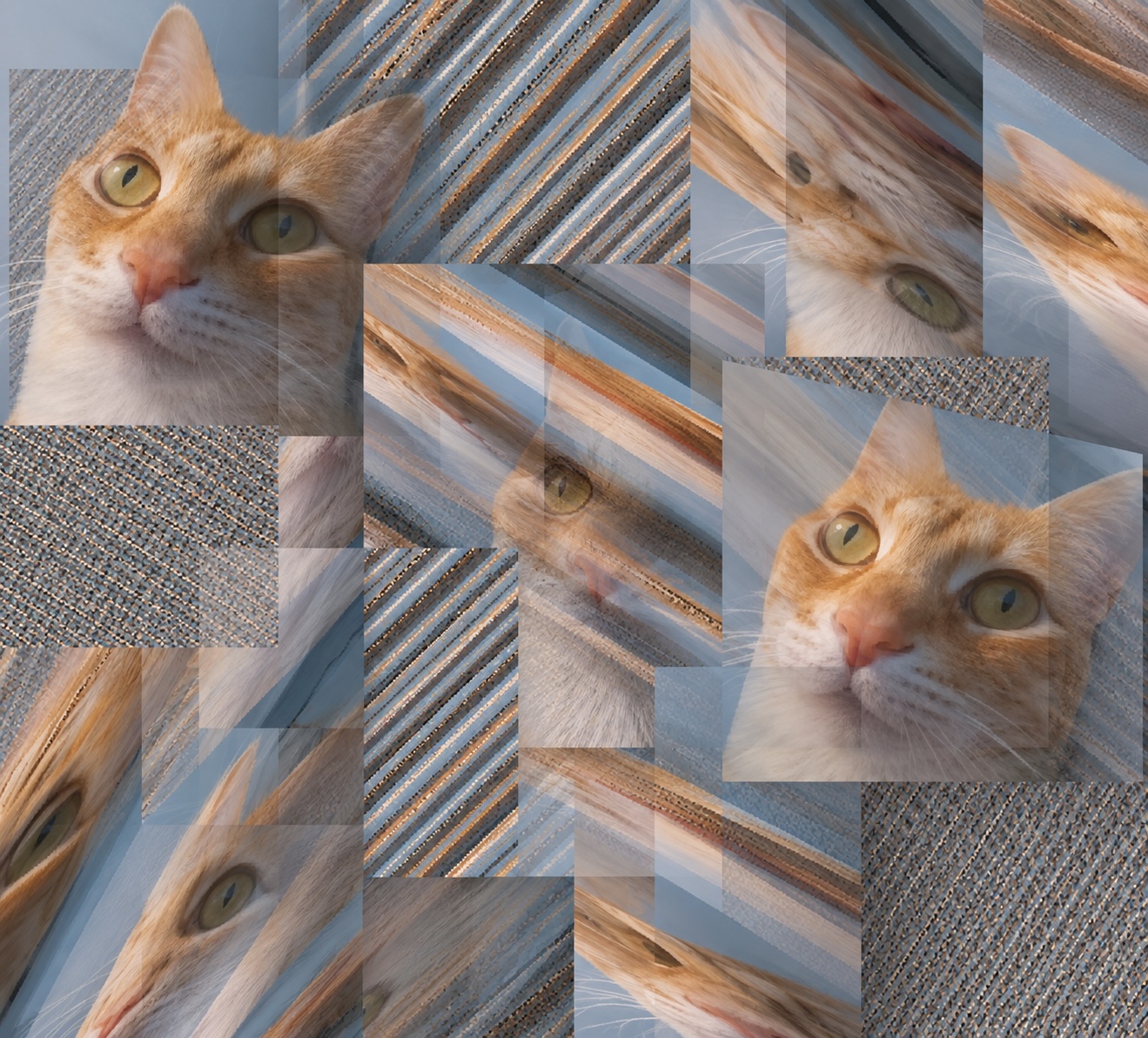
LSU physicist Justin Wilson and collaborators have developed a new framework for controlling quantum chaos, adapting techniques originally designed for classical chaotic systems. The team showed that small, occasional corrections can stabilize unstable quantum states despite the constant fluctuations imposed by the uncertainty principle. Their work also revealed a sharp transition between controllable and uncontrollable behavior, uncovering universal rules that could help scientists protect and manipulate quantum information in future technologies.
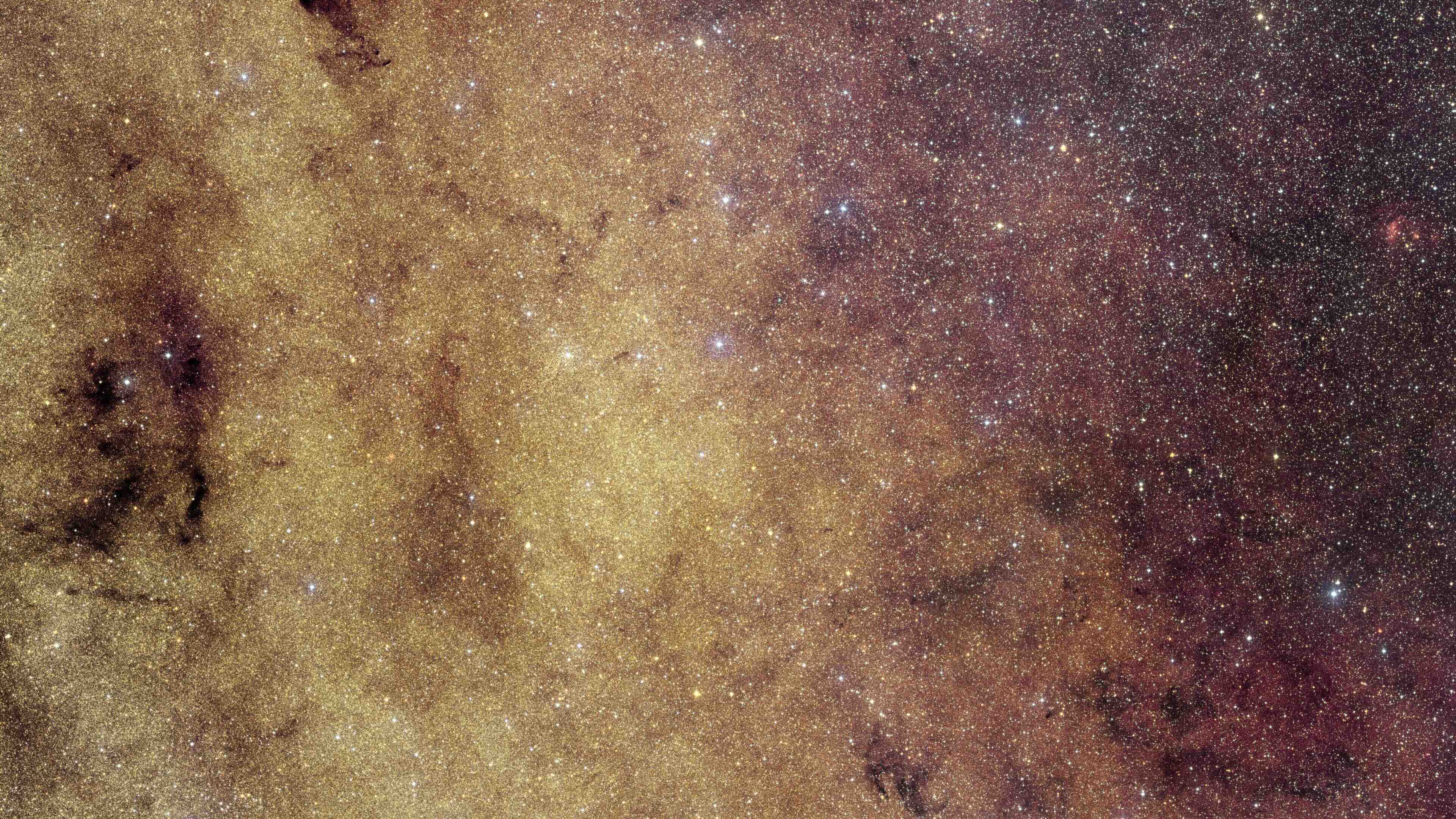
A newly released image from ESA's Euclid mission provides the most detailed visible-light view of the Milky Way's center ever captured. LSU researchers Matthew Penny and Himanshu Verma are helping use the data to support NASA's Nancy Grace Roman Space Telescope, improving astronomers' ability to detect, confirm, and measure the masses of exoplanets through gravitational microlensing.
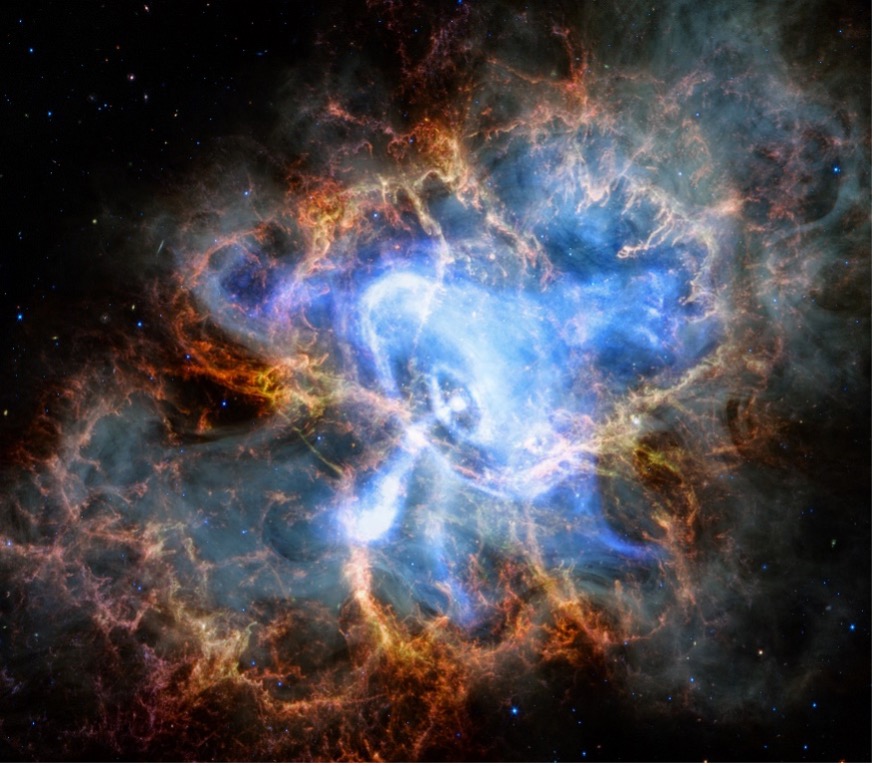
Researchers from Louisiana State University contributed to a NASA-led discovery of gamma rays from a rare superluminous supernova detected by the Fermi Gamma-ray Space Telescope. The finding provides some of the strongest evidence yet that highly magnetized neutron stars, known as magnetars, can power some of the brightest stellar explosions in the universe and opens a new window into studying how these extreme cosmic events evolve.
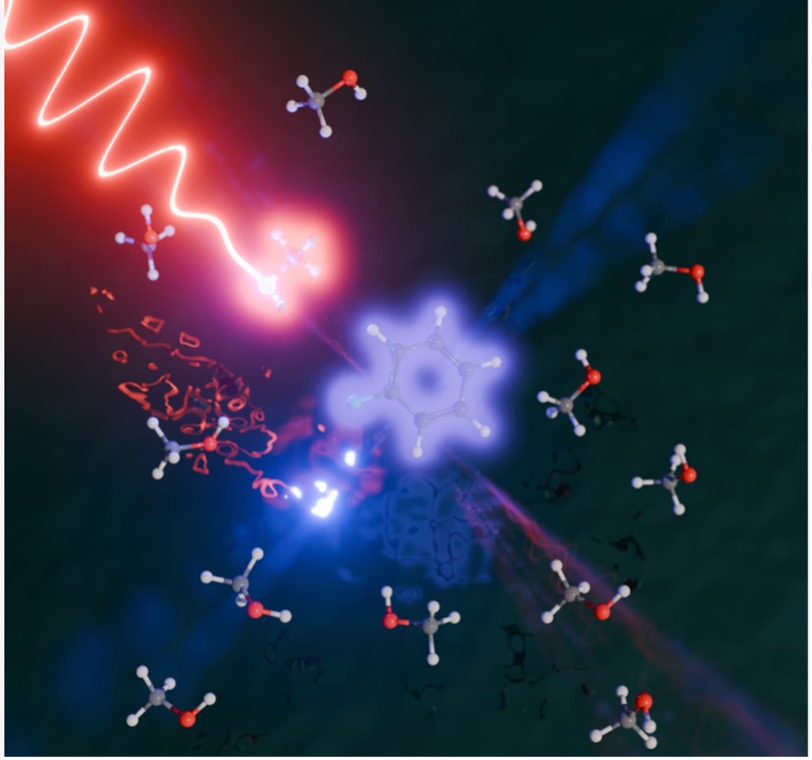
Researchers from Ohio State University and LSU have shown that high-harmonic spectroscopy (HHS)—a laser technique fast enough to track electrons on attosecond timescales—can finally be used to study liquids. In a study published in PNAS, the team found that fluorobenzene forms a surprising local structure when mixed with methanol, dramatically changing the emitted light. The work opens a new window into ultrafast interactions inside liquids, where many essential chemical and biological processes take place.
Blog Stories
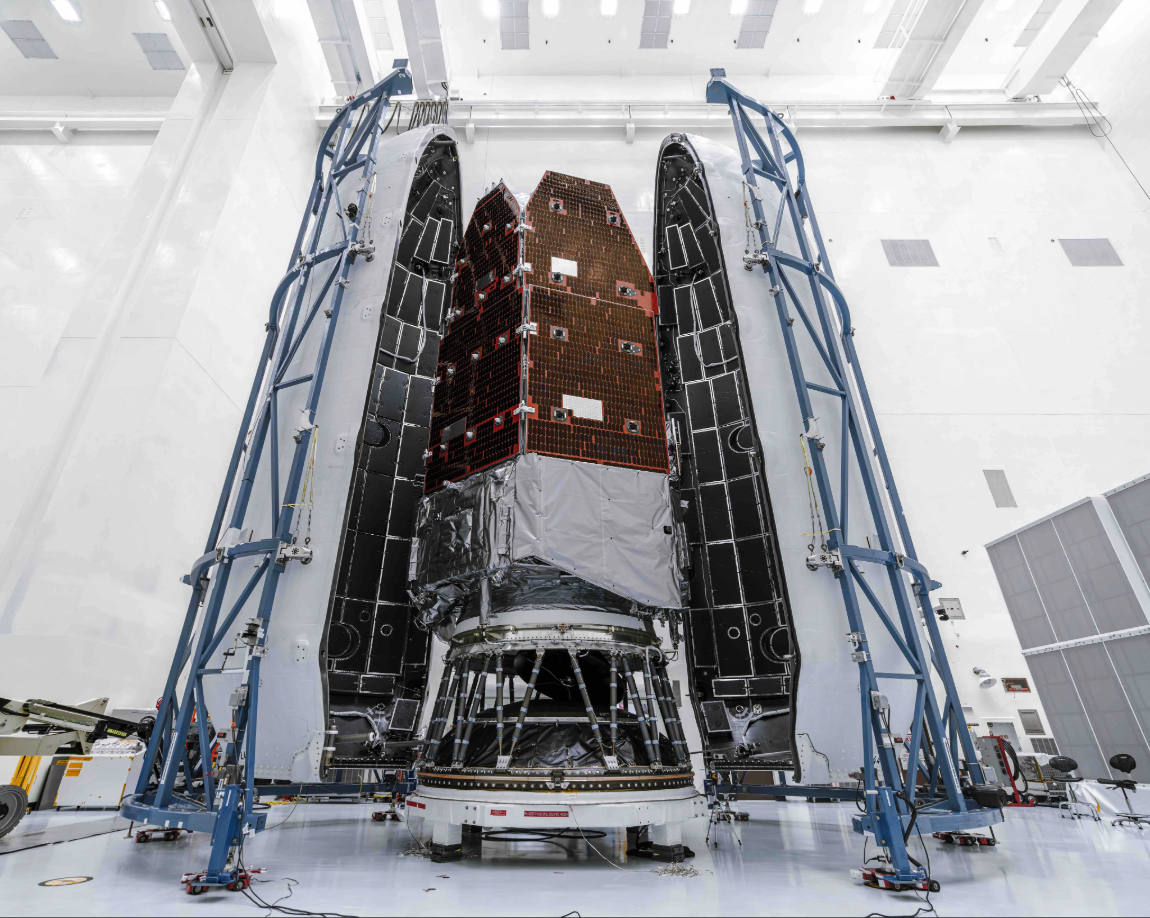
As NASA’s Nancy Grace Roman Space Telescope prepares for launch Aug. 30, LSU scientists are ready to turn years of preparation into discovery. LSU astronomer Matthew Penny helped shape Roman’s science goals and a major survey that will search for new worlds near the center of the Milky Way. With four LSU-led projects receiving about $900,000 in funding, researchers will use Roman to study planets, stars, black holes and neutron stars—while connecting the mission to LSU’s astronomical legacy and training the next generation of researchers.
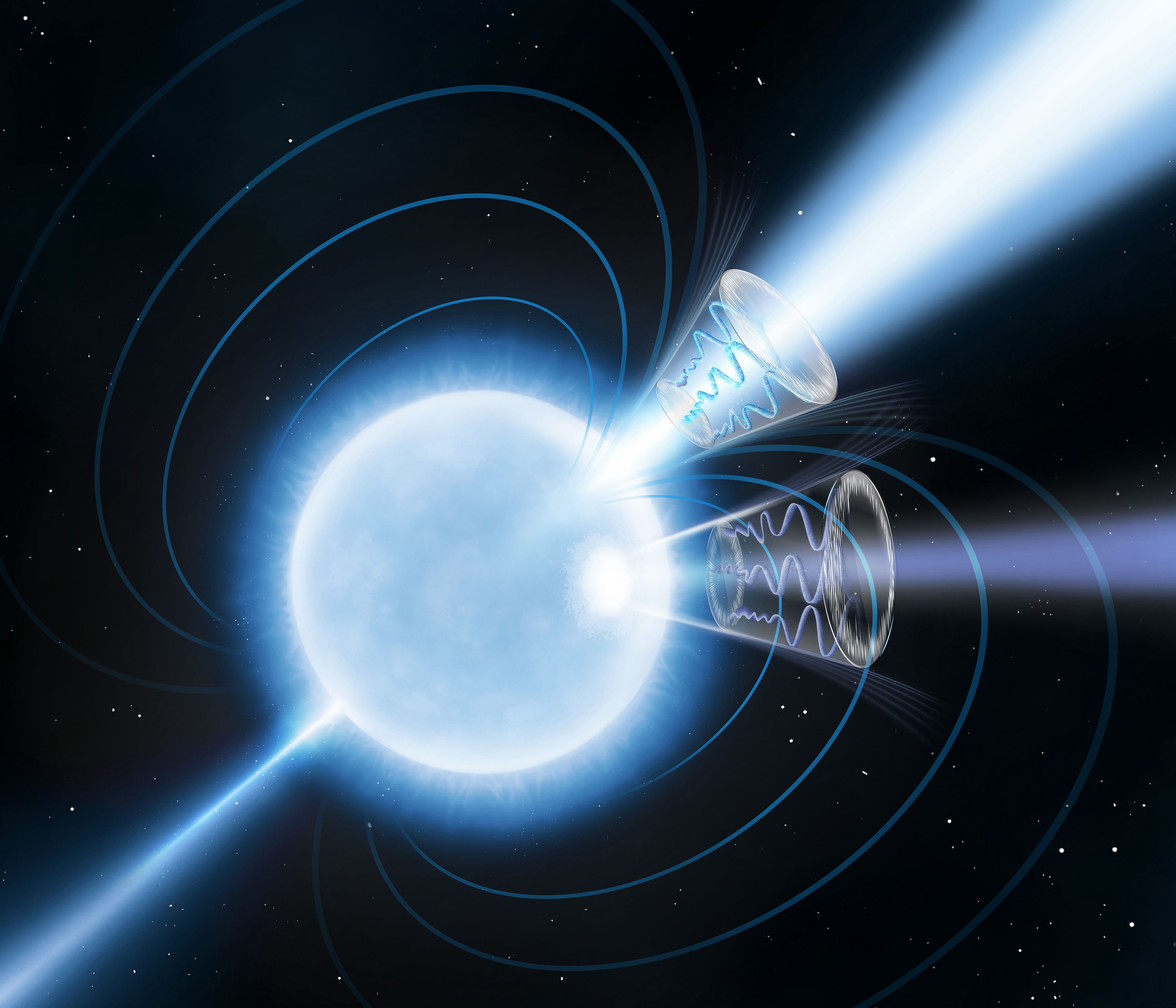
Scientists have found the strongest evidence yet for vacuum birefringence, a key prediction of quantum electrodynamics (QED), using NASA's Imaging X-ray Polarimetry Explorer (IXPE) to study the magnetar 1E 1547.0−5408. The research, published in Nature, shows that the magnetar's powerful magnetic field changes how light travels through the vacuum of space. The discovery demonstrates how extreme cosmic environments can serve as natural laboratories for testing the fundamental laws of physics.
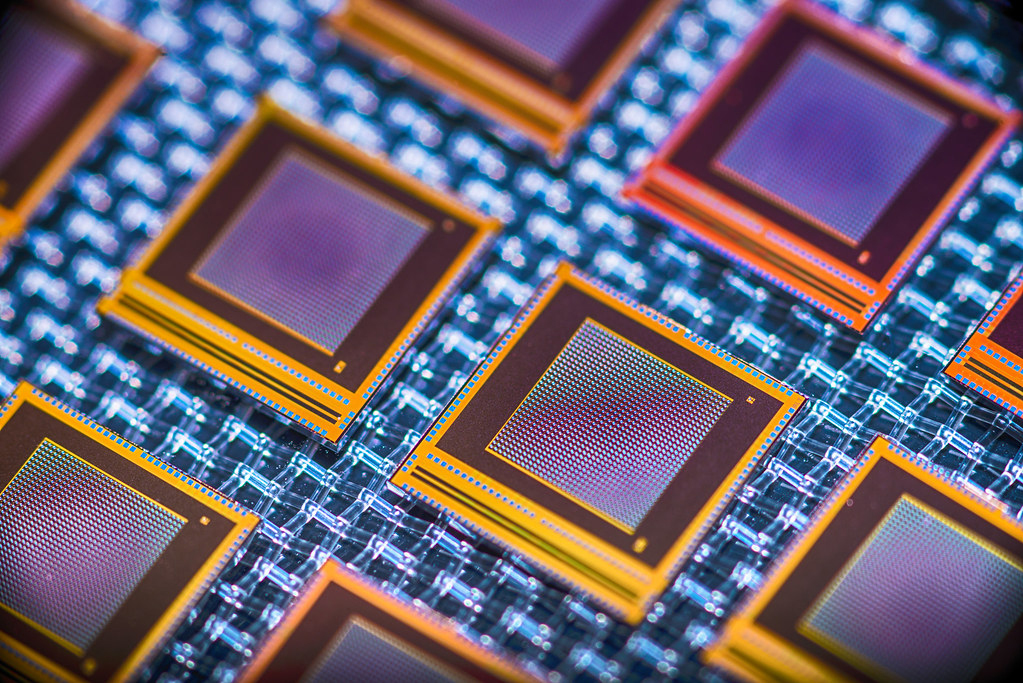
Projects with the Department of Energy’s Oak Ridge National Laboratory and Brookhaven National Laboratory will use artificial intelligence to advance nuclear science and supercharge the particle accelerators that power American discovery, including LSU’s Louisiana Light Source.
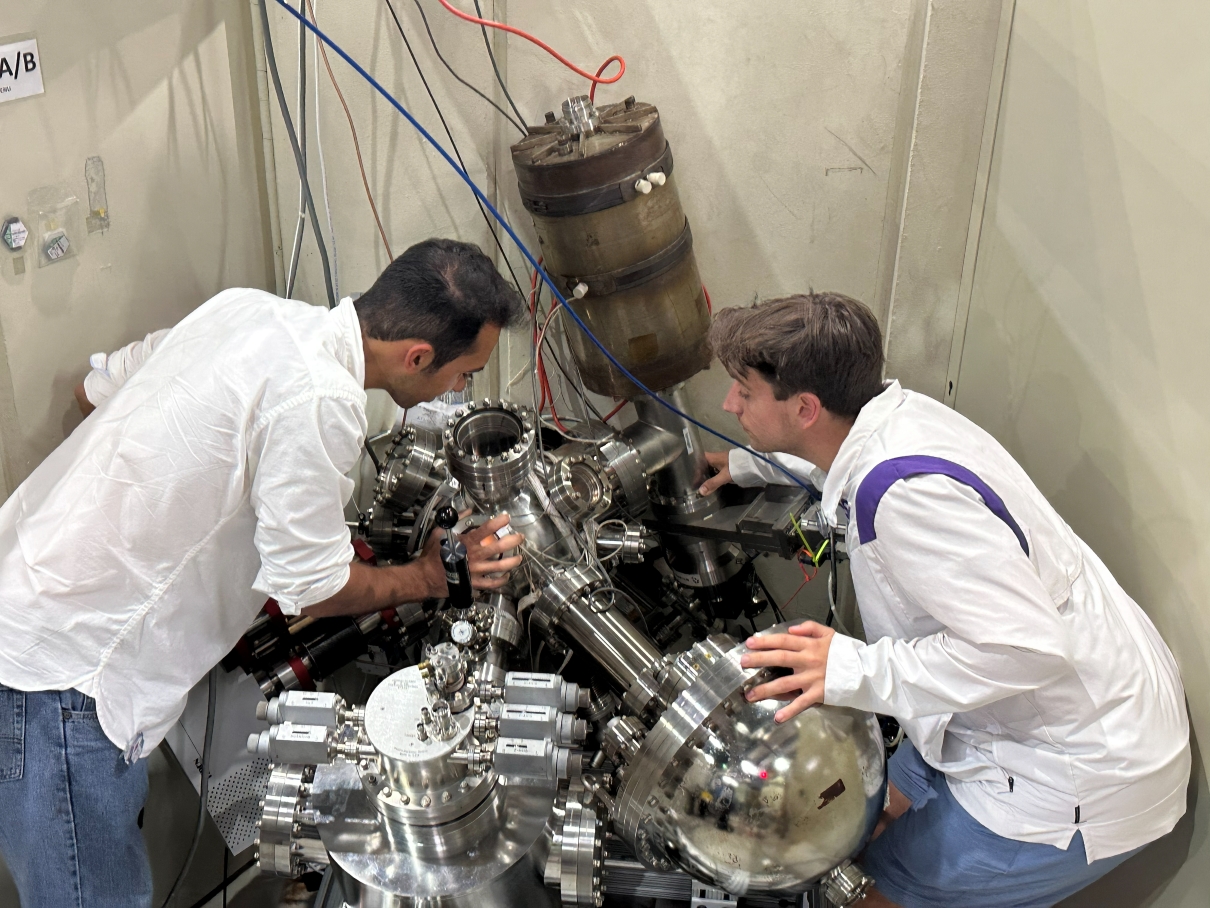
As the microchip industry races to make smaller, yet more powerful and energy-efficient chips by furthering reducing the transistor size—as tiny as 20 nanometers—manufacturers have hit a fundamental wall. Components have shrunk so much the decades-old process used to pattern circuits requires a paradigm shift, and new capabilities at LSU will help.
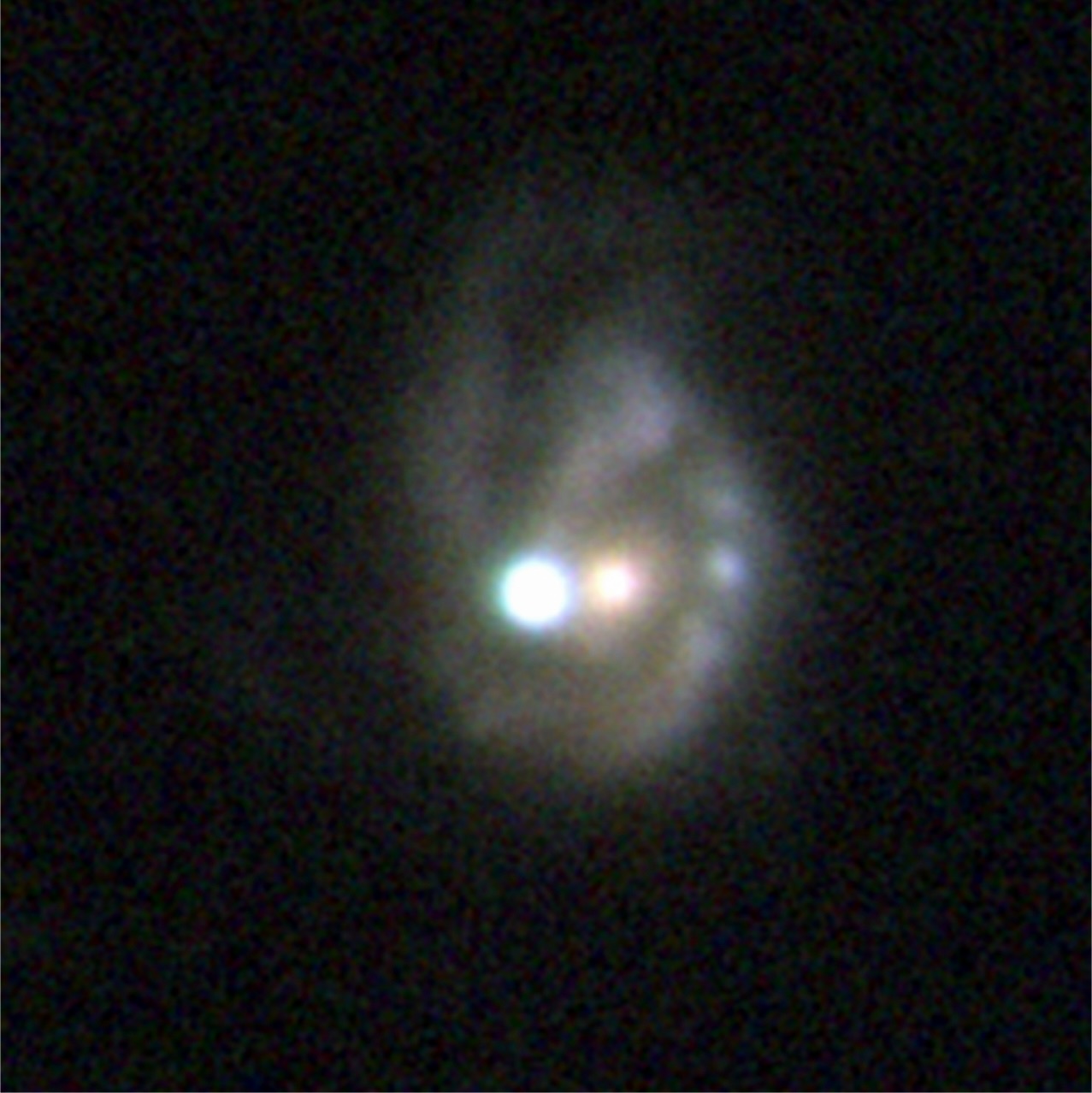
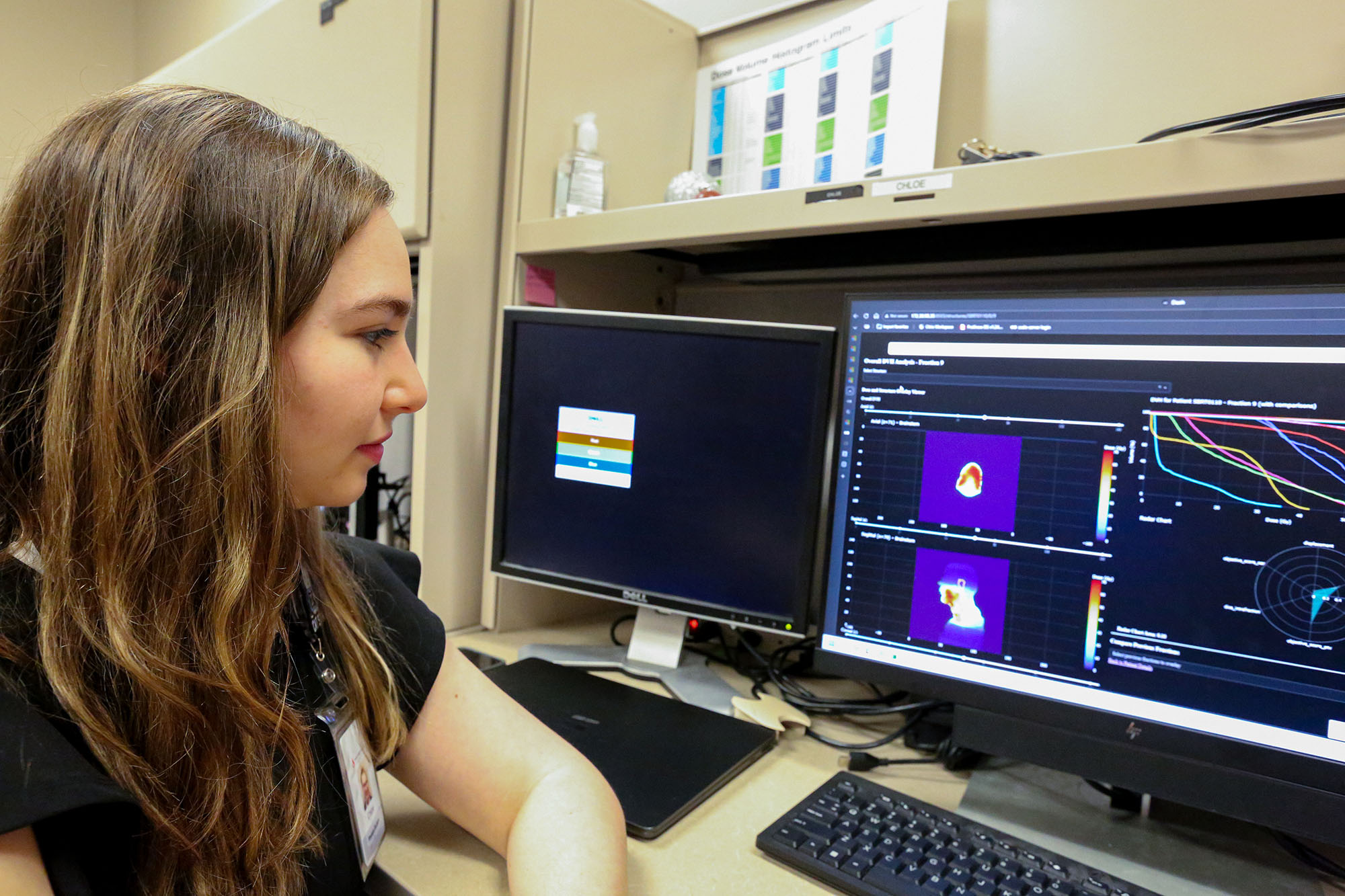
LSU Physics and Astronomy PhD candidate Chloe DiTusa is applying physics to cancer medicine by developing a dashboard that helps clinicians adapt radiation treatments to patients’ daily anatomical changes, supporting more personalized and effective cancer care.